
Why You Feel Stuck Even After Years of Therapy (and how EMDR Intensives can help)
Prefer to watch or listen instead of read?
Why You Feel Stuck Even After Years of Therapy
You’ve done therapy.
You’ve talked about your childhood.
You understand your patterns.
You can name your triggers in real time.
So why does it still feel like you’re stuck?
Even after all this time, you still:
Overthink conversations
Feel badly about yourself
Get stuck in the past
Question your worthiness
And struggle to actually feel differently, even though you think differently
And it’s confusing—because you’re not avoiding the work.
If anything, you’ve been doing it for years.
Insight Isn’t the Same as Healing
Here’s what most people don’t realize:
Insight about trauma is not the same as healing from trauma.
Understanding your past is important.
But insight alone doesn’t resolve the emotional imprint that your past experiences and life lessons left behind.
You can know something logically and still feel completely stuck emotionally.

In trauma therapy, I often ask clients: “What is stuck that’s causing yuck?”
Like, a clog in your pipes.
Like, food in your teeth.
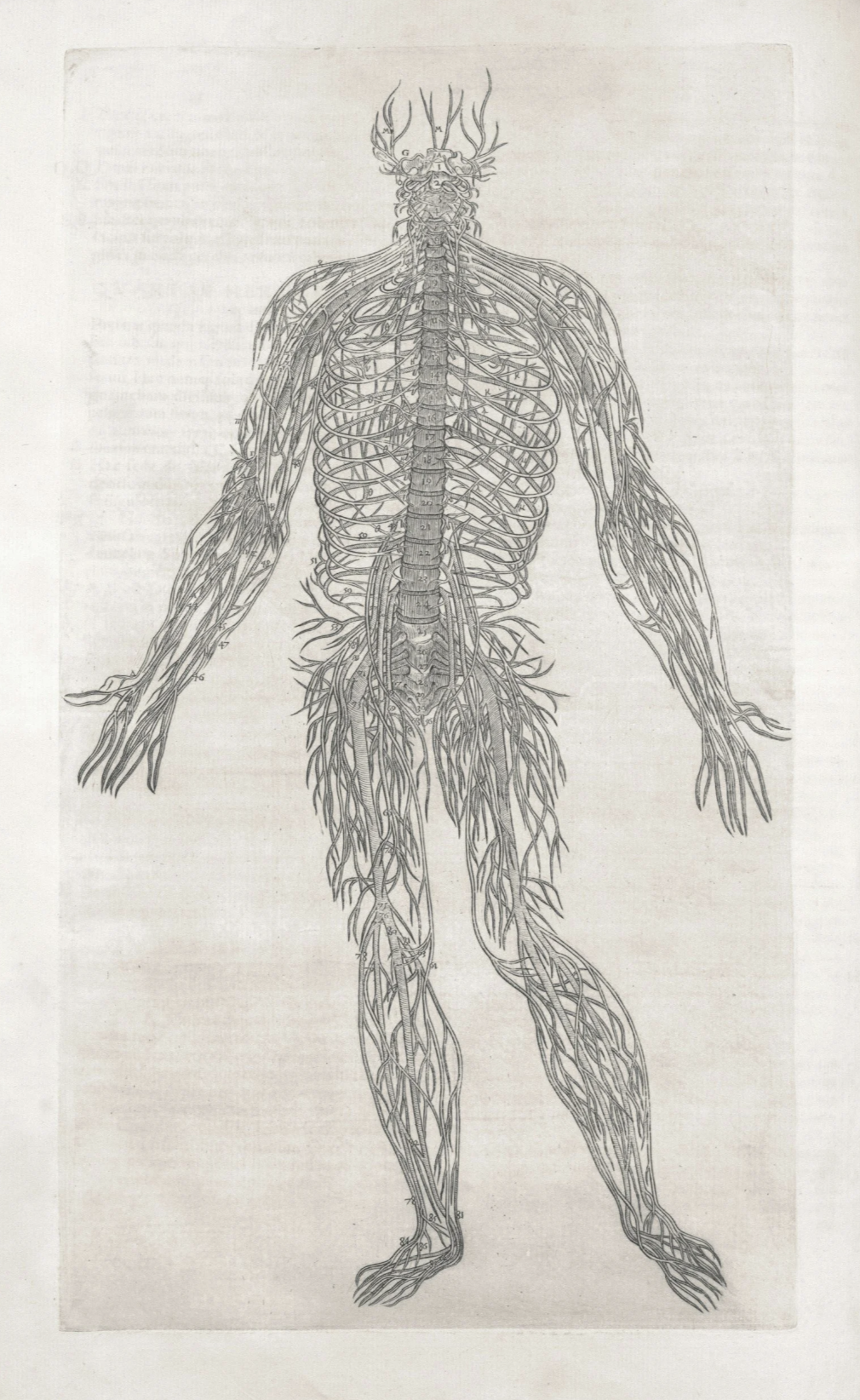
Trauma Lives in the Nervous System—Not Just Your Thoughts
Trauma—or chronic adverse life experiences—live in the nervous system.
Not just in your thoughts.
And they leave invisible wounds.
Which means:
Talking about something ≠ your body healing it.
As I often joke with clients: “Your body doesn’t speak English.”
So stop saying everything slower and louder as if one day your body will just “get it.”
Your body will not calm down simply because you said: “Calm down!”
Your nervous system will not ease off of your stress response simply because you journaled: “YOU’RE SAFE NOW!!!!” thousands of times.
Your body doesn’t speak English.
Your body speaks body language.
Put another way:
Your nervous system doesn’t care about logic.
Your nervous system craves sensory signs of safety.
There are several ways to speak your body’s language.
Check out this free Signs of Safety journaling exercise from my previous essay to learn the unique ways that your nervous system experiences safety and calm.
Skills like these–of speaking your body’s language and respecting your nervous system–will help you to feel more calm and make you better able to cope with life.
Why Talk Therapy Has Limits
However, all of the self-awareness and emotional insight in the world might not necessarily heal trauma.
You might still:
React the same way to old triggers
Hold the same core beliefs that no longer serve you
Stay in unhealthy relationships because you’re convinced that that’s all you deserve
It’s not because therapy “isn’t working.”
It’s not because you’re not “trying hard enough.”
It’s because you’ve reached the limit of what insight-based psychotherapy can do on its own.
How EMDR Therapy Helps You Actually Feel Different
This is exactly where approaches like EMDR come in.
EMDR (or, eye-movement desensitization and reprocessing) therapy helps your brain and body reprocess experiences so they no longer carry the same emotional weight.
So you no longer feel stuck and yuck.
So you can clear the debris.
Instead of just understanding why you feel the way you do, you actually start to feel different.

Why EMDR Intensives Can Accelerate Healing
And for many women, doing this work in traditional weekly sessions can feel slow and fragmented. Fifty minutes is such a short period of time to get in and out of a traumatic memory or pattern and then, somehow—magically—get back to the rest of your life. It’s absolutely possible, but I’ll be honest: it’s a heavy lift.
That’s why I offer EMDR intensives: a more focused, accelerated way to work through what’s been keeping you stuck—without stretching it over months or years.
Who EMDR Intensives Are For
This kind of work is especially powerful if:
You’ve already done therapy and feel like you’ve plateaued
You’re ready to go deeper, not just talk more
You want real shifts, not just more self-awareness
You’ve experienced a recent traumatic event (like a car accident or discovering infidelity) and want relief as soon as possible
You suspect you’ve reached the end of what your brain has to say and might want to seek the wisdom of your body
If this resonates, you’re not alone—and you’re not doing anything wrong.
You may just need a different kind of support.
Hit me up!
I offer private-pay, EMDR therapy for women across Colorado.
And I offer private-pay, EMDR intensives for folks who are looking to make substantial progress more quickly.
You can learn more about my Colorado psychotherapy practice and EMDR intensives by clicking below.
Onward.
