

Mental Health Resources
Emergency
If you’re experiencing
a mental health crisis and need to talk to someone immediately:
call 911
or the 24-hour Colorado Crisis Services Hotline at
1-844-493-8255or go to your nearest hospital emergency room
-
Call Someone
Connect with someone who will listen, understand, and care
1-844-493-8255
-
Text Someone
Begin a text conversation at any time. We’re here to help
Text “TALK” to 38255
-
Meet with Someone
Get support in-person at your closest crisis center
Click here to find your closest crisis center

My Favorite Books about Healing Trauma
Listed in order from most readable/accessible to least readable/clinical
What Happened To You?: Conversations on Trauma, Resilience, and Healing
by Dr. Bruce Perry and Oprah WinfreyNo Bad Parts: Healing Trauma and Restoring Wholeness with the Internal Family Systems Model
by Dr. Richard SchwartzThe Wisdom of Your Body: Finding Healing, Wholeness, and Connection through Embodied Living
by Dr. Hillary McBrideHow to Do the Work: Recognize Your Patterns, Heal from Your Past, and Create Your Self
by Dr. Nicole Perla

Connect with me on the free InsightTimer app

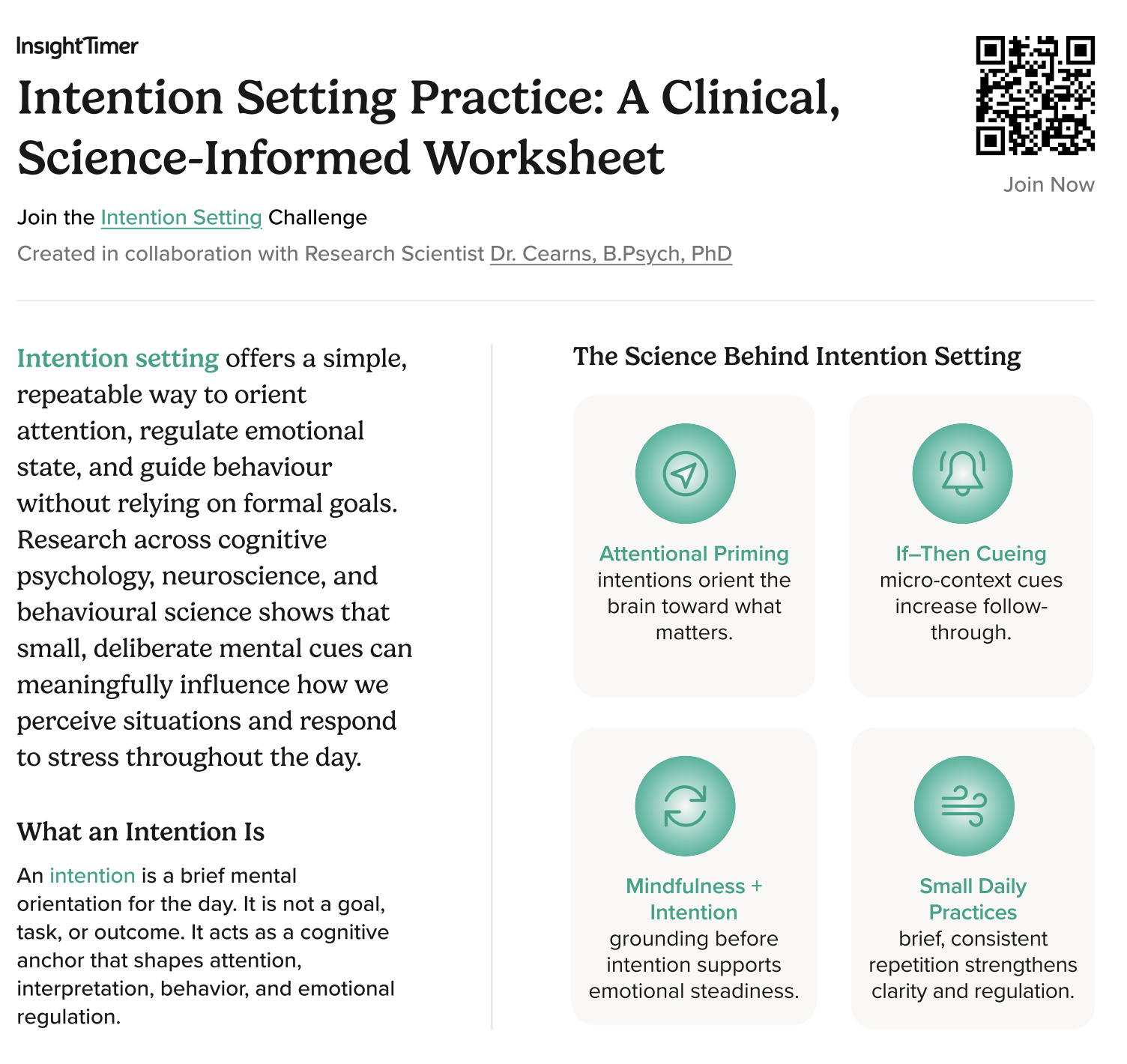
Check out this Intention-Setting Practice: A Clinical Science-Informed Worksheet from InsightTimer
Monthly writings about healing, connection, and living a more human life.
A More Human Life
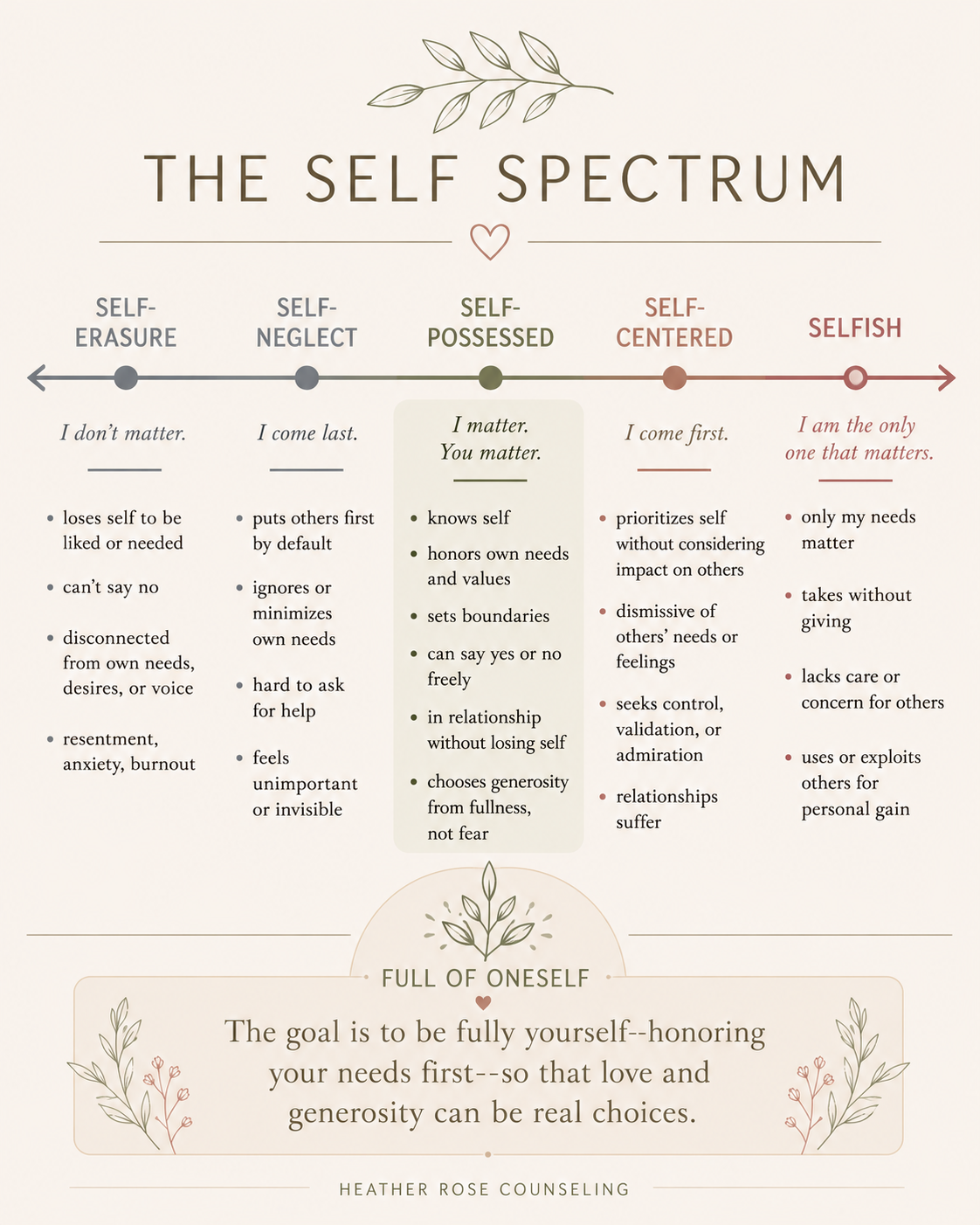

Knowing and experiencing are not the same thing. Sometimes the most psychologically sophisticated thing we can do is stop trying to immediately understand what happened—and let it land.